
Category: Uncategorized

  • Cape Town Braces for Michael McIntyre

    In early 2018 British comedian Michael McIntyre lands once more on South African Shores.

    Performing at Cape Town’s Grandwest Casino on 18 and 19 January, McIntyre will bring his unique brand of comedy here as part of his Big World Tour.

    The comedian, with a host of accomplishments to his name, is best known for his observational comedy – a style previously pioneered by the likes of Jerry Seinfeld, but which he’s made all his own.

    Observing Michael McIntyre

    Among stand-up comics, Michael McIntyre can be said to stand head and shoulders above anyone else (sorry).

    Active since 1999, it was in the new millennium that his star rose. From an early best newcomer nomination at the Edinburgh Festival in 2003, he quickly built a name for himself – by 2006 he had performed in front of Royalty at the Royal Variety Performance, a venue he would return to in 2010 as the event’s youngest ever host.

    His meteoric rise has led to him becoming, like the rock bands of the ‘80s, a stadium performer: in 2009 he performed to an estimated 500 000 people while on tour in the UK, including at Wembley arena over a record-breaking six nights.

    McIntyre’s clearly impressive work ethic kept him on stage through much of the next two years, resulting in him reportedly being the highest-grossing comedian in 2012.

    Truly, this is a man that works hard at his laughs.

    The Big World Tour

    In 2017, Michael McIntyre set out on a globe-spanning comedy tour of the ages: The Big World Tour.

    Covering 15 countries, he will perform 83 times, including in Cape Town and Johannesburg. His last visit to South Africa, in 2013, saw the biggest audience at a comedy event in Africa – 9 000 fans turned up for the laughs.

    His Cape Town shows are expected to bring impressive crowds, guaranteed a chuckle from his wry observations on everything you never knew you noticed.

    If you’re in Cape Town to watch McIntyre, you’ll find transport options are limited. Unless you have your own vehicle, a hire car is undoubtedly your best bet, as Grandwest Casino is a little out of the way.

    But for a good laugh, it’s surely worth it.

  • How Ultra Music Festival Inspired a Generation

    Ultra Music Festival returns to Cape Town for its fifth instalment on 9 and 10 February 2018. As part of Ultra Worldwide, the festival showcases some of the top local and international electronic music performers.

    From its inception, the festival has stood as an inspiration of the reach and joy that can be had by simply going out and having a great time.

    What is Ultra?

    Inaugurated in Miami in 1999, Ultra has, from the beginning, gone hard.

    The first festival – which took place over one day – included such luminaries of the electronic scene as Paul van Dyk, Rabbit in the Moon and Josh Wink.

    Held in Miami, the first Ultra Festival saw ten thousand attendees; the organisers, however, still saw a loss on that first venture.

    It wasn’t until the second year of the festival that things picked up. And once they did, they picked up quickly.

    By 2001 the numbers had more than doubled, with more than twenty thousand concert-goers coming together to again watch the biggest names in electronic music – among them DJ Tiesto, Robin Fox, Paul Oakenfield and Paul van Dyke.

    2007 saw Ultra Festival move to a two-day format, the dominant form of the festival ever since.

    In the next year, Ultra went global: Ultra Brasil brought the same high-powered line-up that had defined the Miami event. Its growth continued, and now this landmark festival is a string of events that give audiences around the world.

    Ultra inspired

    The nearly two-decade history of Ultra Festival and its many incarnations has undoubtedly had an impact on the landscape of electronic music.

    With hundreds of thousands of attendees globally, the festival has helped expose electronic music to the mainstream, raising a generation on the stars of the genre.

    The influence of the musicians seen at Ultra and other festivals of its ilk has had a lasting impact on the production of modern music, as electronic methods of creating music bleed into the mainstream.

    The hunger for the music heard at Ultra has helped the rise of services like Spotify and Soundcloud, as many artists who perform at the festivals use these platforms to debut and market new mixes.

    In South Africa, Ultra inspires by bringing together artists that many local music lovers may not be able to see otherwise.

    Ultra Cape Town

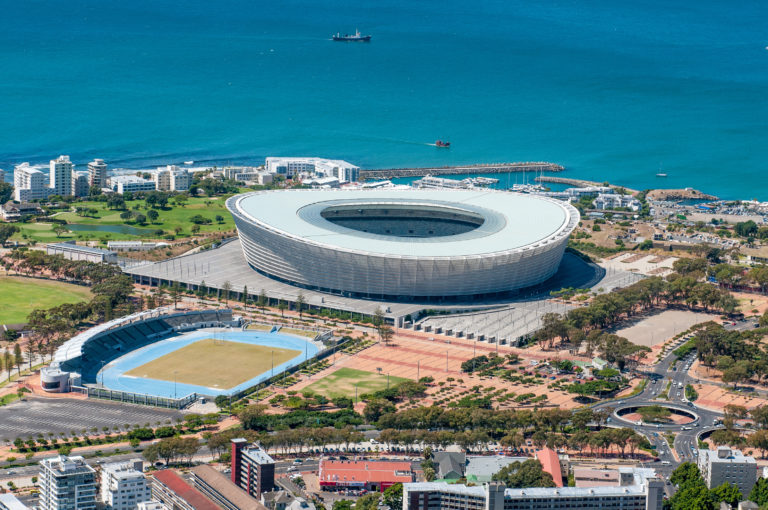
    The 2018 edition of Ultra in Cape Town takes place in Cape Town Stadium. The stadium, designed for the 2010 Soccer World Cup, turns into a carnival for electronic music lovers, and the surrounding city and bars are sure to experience an eclectic influx of party-goers.

    If you’re interested in taking part of the unique experience that is Ultra, it’s suggested that you avoid public transport – while it’s an option, it’s almost certainly going to be packed.

    For those visiting Cape Town for the festival, a far better option is a hire car: not only does it allow you to set your own schedule, but you’ll be able to experience the wider Cape Town surrounds as well.

  • Explore the Western Cape in 2018

    Explore the Western Cape in 2018

    As the new year kicks off, the Western Cape beckons, dense with the potential for exploration and adventure.

    Use our quick guide for exploration inspiration as you plan your year of fun.

    Roadtrippin’ Route 62

    Winding from Cape Town all the way to Port Elizabeth, Route 62 is an alternative to the Garden Route that far too few people consider.

    For a road trip, the section from Wellington to Outdshoorn is ideal. It winds through mountain passes, onto the arid plains of the Klein Karoo.

    The towns along the route offer everything from wine and port tasting, to wildlife experiences, hot springs, architecturally impressive milkshakes, and the famed pit stop that is Ronnie’s Sex Shop.

    Jump in the car, turn on the music, and start exploring.

    Camping in the Cederberg Mountains

    The Cederberg municipal region covers a large area of land – but for our purposes, we’re looking specifically at the Cederberg Mountains, dominated by sandstone rocks lying some distance above sea level.

    Camping in this area gives you a chance to get a long way from civilization. Here, the stars are the brightest lights, and the many rivers and streams of the area provide relief from summer heat.

    The sky here is often astonishingly clear, making it ideal for stargazing.

    Situated a few hours’ north of Cape Town, this area is well worth the drive for those keen to get away from it all for a weekend.

    Discover the fruits of the vineyards

    No discussion concerning exploring the Western Cape would be complete without discussing wine.

    The Western Cape is home to the largest wine region in the country, divided into smaller routes that produce utterly enchanting and unique wines.

    Perhaps the two best known – the Constantia and Stellenbosch wine routes – are fairly simple to get to, but there are six wine routes in the Cape Winelands, and numerous others scattered further afield.

    Get yourself a wine guide, decide who’s driving, and go explore the unique flavours of South African wine.

    Hit the beach(es)

    The Western Cape, as of 2017, is home to over half the Blue Flag status sites in South Africa – 28 in total. Blue Flag status is awarded to beaches, marinas and boats that adhere to a strict criterion of excellence.

    So forget about Camps Bay and Clifton; travelling further afield, the Garden Route springs to mind, will give you access to beaches that are every bit their rival, with white sands and warm waters. And if you choose carefully, far fewer crowds.

    Getting around

    Whether you choose to focus your 2018 explorations on aspect of the Western Cape, or try to cram in as much as possible, you’ll want a car to get you there.

    If you’re a tourist, that means hiring a car – the ideal way to set your own schedule. A car hire gives you the opportunity to chase whatever backroads or out-of-the-way gem takes your fancy.

    So pack some snacks, queue up your favourite playlist, and start exploring.

  • Experience the Cape Town Cycle Tour

    Experience the Cape Town Cycle Tour

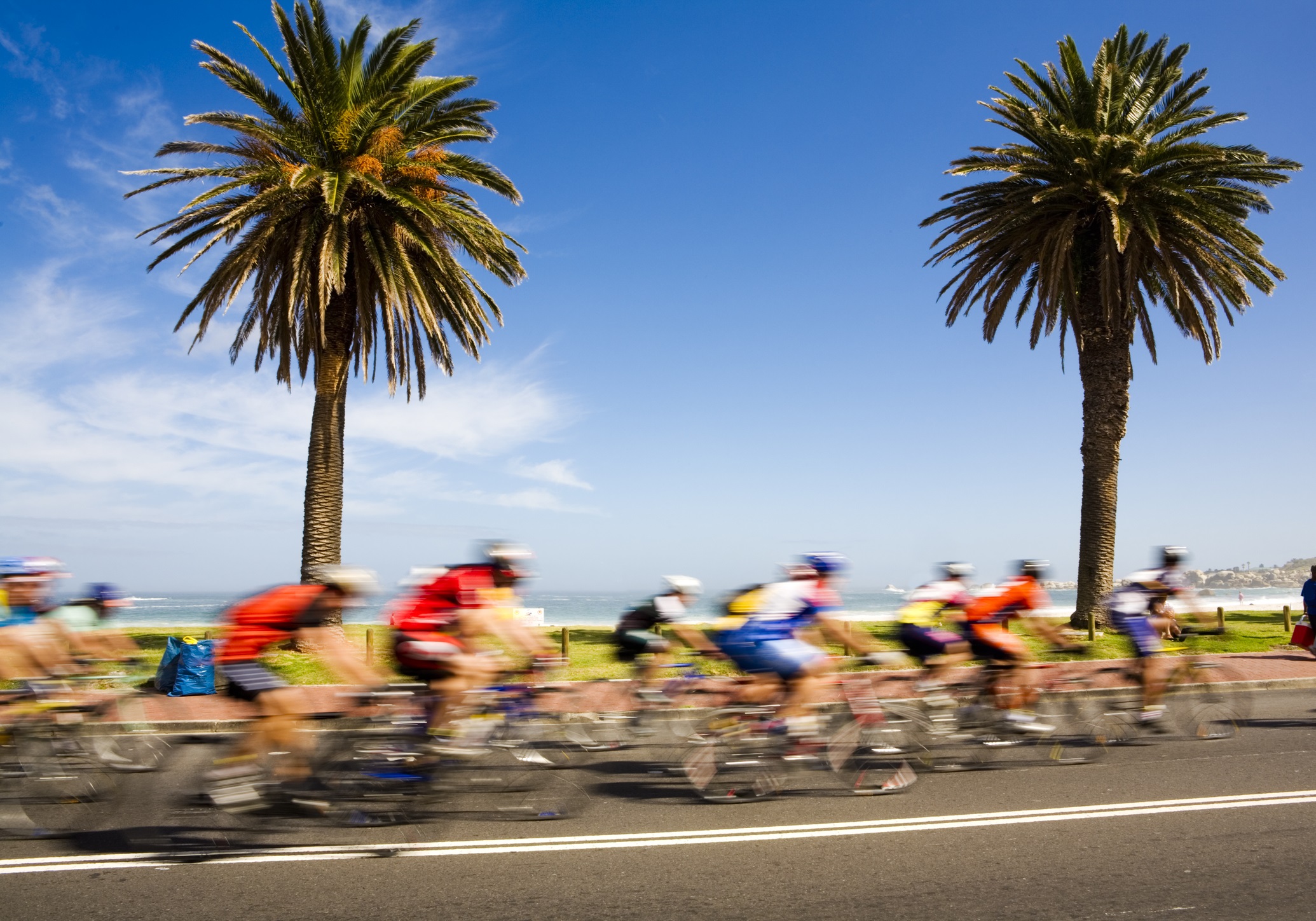
    The Cape Town Cycle Tour. Famous across the world as the largest individually timed cycle race – every year, as many as 35 000 entrants come together in this festival of the pedalled wheel.

    The size of the event means that it’s important to be properly organised, if you want to get the best from the experience.

    We’ll get to some tips on the best way to do that; but first, let’s detour into the history of the race.

    What is the Cape Town Cycle Tour?

    A product of the 70s, the Cape Town Cycle Tour started life as the Big Ride-In: it was organised as an effort to promote cycle paths in Cape Town.

    That first event took place in 1978, and was attended by less than a thousand cyclists that September.

    With one exception, the race has always hovered around the 100km mark. For most of the 80s, attendance grew slowly – until 1988, when the number of cyclist suddenly doubled.

    By 1994, with South Africa entering a new era of democracy, the event was attracting close to 20 000 competitors; it broke this milestone the following year.

    Now, it stands as the largest event of its kind, with spectators, amateur enthusiasts, and a who’s who of the cycling world gathering in Cape Town to take their part.

    Cape Town Cycle Tour 2018

    Severe water shortages in the Western Cape saw worries surface that the race would be cancelled this year – an ominous signal, following on the cancellation of the 2017 edition due to extremely high winds.

    Happily, this years’ race has been given the go-ahead, with strategies in place to reduce the amount of water needed from the municipal supply, including:

    Using grey water

    Using desalinated water

    Supplying spring water from outside of Cape Town

    Using chemical toilets and hand sanitisers

    A final strategy will see no shower facilities in use – so prepare accordingly.

    The Tour this year starts in Cape Town’s city centre, striking out towards the False Bay coast before crossing the Cape Peninsula and taking in the views of Chapman’s Peak; cyclists will cross the finish line 109km later.

    That may sound easy, but don’t be fooled: along the route cyclists will climb more than 1000m above sea level, get to grips with the famously difficult Suikerbossie hill climb, and have to endure Cape Town’s capricious winds.

    For the spectators, things are a bit more relaxed.

    Watching the Cape Town Cycle Tour

    Whether you’re showing up to support a friend, or simply to enjoy the spectacle, you’ll want to know the best way to watch the race.

    Road closures around the route can make things difficult, so it’s worth planning a route of your own to get the most from the experience.

    You’ll certainly want a car to get around; public transport is going to be difficult and inflexible, and services like Uber tend to take advantage of events of this size to apply surge pricing.

    For out-of-towners, that invariably means a hire car – for versatility and ease of getting around they’re hard to beat.

    Once you’ve sorted your transport, you’ll want to pick your ‘watch spots’. It’d tax the most dedicated supporter to be at every significant spot, so you’ll need to do some pruning here.

    A number of spots on the route are great for watching, but for our money Suikerbossie’s infamous climb is the best, along with the final stretch in Seapoint. Watching the cyclists come into the finish gives a special thrill.

    Sea point is a great spot for another reason: coming as it does at the end of the race, it gives you an ideal opportunity to take part in the festivities that invariably follow such events. Take advantage of the numerous bars and restaurants to keep yourself refreshed, and mingle with the race’s participants while you’re at it.

  • What You Need to Know about the Two Oceans Marathon

    What You Need to Know about the Two Oceans Marathon

    With a well-earned reputation as the most beautiful race in the world, the Old Mutual Two Oceans Marathon has, over nearly 50 years of operation, been a showcase for the best of Cape Town.

    This year’s race, taking place on Easter weekend – March 30 and 31 – is going ahead despite the current Cape Town water crisis: organisers have taken steps to put together a comprehensive water plan for the Marathon.

    If you’re interested in taking part in the marathon as either a runner or spectator, here’s what you need to know:

    How long is the Two Oceans Marathon?

    The Old Mutual Two Oceans Marathon is less one race, than a series of events over the weekend of Easter.

    Events include:

    The popular half marathon, run over 21km and held on 31 March

    Two trail runs, at 24km and 12km, held on Good Friday, 30 March

    Several children’s fun runs on 30 March

    The International Friendship Run, a 5.6km run/walk through Cape Town that takes in some of the city’s most famous landmarks

    The undoubted jewel in the Marathon’s crown, however, is the scenic ultra-marathon.

    The ultimate test

    While it’s not the longest ultra-marathon road race in the world, or even South Africa – that honour probably belongs to the little-known Washie 100 Miler – but it would be hard to argue that there’s a prettier one.

    The course takes runners on a 56km loop: starting in Newlands, competitors head south to Muizenburg, before turning northwest once they get to Fish Hoek.

    What You Need to Know about the Two Oceans Marathon

    The road now takes runners northward again, along Chapman’s Peak to Hout Bay, before the final northeastern stretch takes them through the Constantia winelands, to an ultimate finish at the University of Cape Town.

    Including a stretch along the False Bay coast, as well as the famed views from Chapman’s Peak makes this an incredibly beautiful run for those with the breath to appreciate it. And the home stretch, past Kirstenbosch and along Rhodes Drive, holds charms of its own.

    Watching the race

    For those interested in watching the race in person, there are a couple of great spots to watch from:

    Near the start of the race, Rondebosch main road might not be the prettiest part of the race, but it makes up for it with the atmosphere

    The stretch between Muizenberg and Fish Hoek is where runners get their first look at the ocean, and a popular spectator spot

    Constantia Nek, where runners will have just completed a grueling climb, is a great spot to voice your support

    The race ends in the grounds of the University of Cape Town; that means that this will be ground central for celebration, as runners finish their quest to cheers and refreshments.

    Getting around

    For anyone visiting Cape Town for the event, we’d advise that you take the option of a hire car. The influx of people into the area for the race will make public transport difficult.

    Besides, who wants to take a taxi after you’ve run 56km?

  • Jamming at the Cape Town International Jazz Festival

    Jamming at the Cape Town International Jazz Festival

    For one weekend this March, the Cape Town International Jazz Festival is once more coming to the Mother City, and bringing with it a host of local and international talent.

    Held over two days, the Festival offers a number of events for attendees. Over forty artists performing at multiple venues makes this a true smorgasbord for music lovers.

    Something for everyone

    While the event is named and intended to promote jazz, the truth is that you’ll find a much wider range of tastes are catered for at the Jazz Festival.

    Taking place on Friday 23 and Saturday 24 March, the festival includes such artists as:

    Corrine Bailey Rae, the UK-based singer songwriter whose self-titled 2006 album debuted at number 1

    Amanda Black, well known to South Africans for the vibrant mixture of Afro-soul, hip hop, soul and R&B

    Jordan Rakei, a New Zealand singer-songwriter and multi-instrumentalist whose work includes hip hop and jazz influences

    Mi Casa, the local outfit whose soulful house has earned them acclaim and a spot playing at President Barack Obama’s inauguration

    Obviously, this is just a small snapshot of the Festival, but it showcases the variety on offer for music lovers keen to take part in what is the biggest annual music event in Cape Town.

    A free taste

    One of the permanent fixtures of the concert is the free community concert given on 20 March in Green Market Square.

    Often drawing thousands of spectators in its own right, this taste of things to come is the Festival’s way of showing appreciation for the city which hosts the event.

    And this year, it’s not the only tribute you’ll be able to see.

    Jamming at the Cape Town International Jazz Festival

    Farewell to a legend

    An event like the Cape Town International Jazz Festival is always going to have a big finale, but this year’s final show will be particularly emotional.

    The final performance of the 2018 Cape Town International Festival is a tribute to one of the true giants of African jazz: Hugh Masekela, who passed away at the end of January this year.

    Masekela helped define the spirit and style of jazz in this country – so much so that he is often called the father of South African jazz.

    His music brought him acclaim not only at home, but internationally: he was nominated for several Grammys, and had a string of hits in the US and elsewhere, appearing with such artists as The Byrds and Paul Simon.

    His music not only helped define jazz in South Africa, but in the dark years of Apartheid he brought a political voice to his work that helped raise the plight of ordinary South Africans.

    Though his voice – and distinctive style of trumpet playing – will be missed, the finale will pay fitting tribute to a legend that many knew simply as ‘Bra Hugh’.

    Getting around

    With forty artists at multiple venues, spread over just two days, getting to see everything you want at the Festival is going to take some planning.

    Public transport options are likely to be busy or expensive over the weekend, as Festival-goers flood the city.

    This means having your own transport is a bit of a must; for those flying into Cape Town to take part in the festivities, you would do well to consider a hire car to get around.

    The particular beauty of this option is that it also gives you access to the other great sites and sounds of Cape Town, from the famed Winelands to the natural scenery of the Cape Peninsula.

  • Feel the Latin Heat with Carlos Santana

    Rising to prominence through a breakthrough performance at Woodstock in 1969, Carlos Santana has a career that’s spanned over half a century.

    And now, he’s coming to South Africa.

    The Legend Of Santana

    Born in Mexico in 1947, Carlos Santana was taught music from an early age: his father, a mariachi musician, introduced him to violin at the age of five and guitar at eight.

    But while he may have started out playing violin, the guitar would be the instrument with which he made his name.

    In the 60s, after several years working as a dishwasher and busking in his spare time, Santana took the leap to become a fulltime musician.

    Over the next several years, his band’s style of Afro-Cuban and Latin Rock attracted many fans, culminating in the electric performance at Woodstock – a performance that featured an eleven-minute instrumental and cemented the band’s place in the minds of music fans.

    The next several decades saw Santana’s sound grow, incorporating blues, jazz fusion and more to create a unique sound.

    The Divination Tour

    Santana is currently travelling the globe as part of the Divination Tour, coming together in South Africa with special guests Mango Groove.

    On 11 April he will be appearing at Cape Town Stadium, the scene of the 2010 Soccer World Cup and soon to be the host to the spectacle that is Carlos Santana.

    The stadium in Green Point is itself a spectacle, a white edifice of curving metals.

    The stadium in full swing can sit up to 55 000 people; the Santana concert will make use of a more intimate set up that will include seating on the field itself.

    Getting there

    While it is possible to use public transport to make your way to Green Point, the fact is that on the day you’ll likely have a tricky time – crowds and surge-pricing are likely to affect any plans in that direction.

    For those visiting Cape Town, a better option by far is to use a hire car: not only will this option allow you to get there easily and safely, you’ll be able to visit the many fantastic bars and restaurants of Green Point and nearby Seapoint (always remembering to drink responsibly, of course).

    And what better way to finish a night of Latin grooves than with a night cap overlooking Sea point promenade?

  • The Water Wise Guide to Visiting Cape Town

    For some time now, Cape Town residents have grappled with the spectre of Day Zero – the day on which the regular flow of water will be cut by the city, in an effort to deal with the severe drought that is still underway.

    Happily, Day Zero has been pushed back to 2019, largely through the water conservation efforts of the citizens.

    While this means we’re in the clear for now, the fact remains that we’re unlikely to see the end of the drought any time soon.

    With that in mind, here are water tips for tourists thinking of visiting Cape Town, starting with a particularly important one:

    Held over two days, the Festival offers a number of events for attendees. Over forty artists performing at multiple venues makes this a true smorgasbord for music lovers.

    Should the responsible tourist even come to Cape Town?

    You’ll likely be happy to hear that we’d love to see you in Cape Town – tourism is a major industry in the city, so you’ll actually be helping.

    As long as you stick to keeping your water usage down, you’ll have no real impact on the situation.

    All major events and attractions are still in place, just a little more careful about how they use water – this extends to restaurants, who’ve taken the extra steps of only offering bottled water in most establishments.

    Choose water wise accommodation

    Coming to Cape Town during the drought will, unfortunately, require a little extra research if you want to be water wise.

    Many of those offering accommodation have implemented strategies to save water – but not all.

    That means you should contact any accommodation you’re considering before you book, to ask what strategies they have in place. Choosing a water wise accommodation option will not only help Cape Town, it will help you stay water wise while you’re here.

    Monitor your usage

    The current water restrictions call on residents to use less than 50 liters of water daily.

    Doing so isn’t actually too hard; it just means sticking to some simple rules:

    Re-use towels at your accommodation instead of asking for new ones

    Flush less. Each flush uses between six and twelve litres of water – basically, if it’s yellow, let it mellow

    Don’t bath, and keep showers to under 90 seconds

    Don’t let taps run – this applies to everything from washing dishes to brushing your teeth

    Report leaks as soon as you notice them

    Following these rules will help keep your water usage down, and help Cape Town stave off Day Zero.

    And the nice thing about these little tips is they don’t need to affect the rest of your stay: you’ll still be able to hire a car and go see Cape Point, or climb Table Mountain.

    Just because Cape Town’s a bit dry at the moment doesn’t mean we don’t want to see you.

  • Experience Cape Town Like a Local

    SEE the City

    Experience Cape Town Like a Local

    Take an Instawalk

    If you want to experience a slice of life in Cape Town the way the locals do, then grab your mobile and join one the local Instawalks with CT Instagrammers – no one knows the city like the people who live in it and you’ll very quickly get to see and explore lesser known haunts you’d otherwise not have been exposed to. Plus, you’re likely to make a few friends along the way and take some great pics for the Gram.

    Hike Lion’s Head

    Everyone knows that a sunrise hike up Lion’s Head will give you unparalled 360 degree views of Cape Town to take your breath away. Grab a pair of trainers and be sure to tick this one of your list.

    Hit a Local Market

    With over 70 to choose from in and around the city, you’re spoiled for choice! Whether it’s artisanal food you’re after, second-hand or antique goods or African arts and crafts, you can enjoy browsing one of the markets on a weekend morning and soaking up the Cape Town vibes, just like a local.

    EAT the City

    Experience Cape Town Like a Local

    Fish and Chips

    It’s practically a Cape Town institution to enjoy a plate of fish and chips and again, you’ve a few places to choose from. You could take a drive to Hout Bay harbour and explore Mariner’s Wharf or you could meander along to Kalk Bay and enjoy your meal taking in the sights and sounds of the harbour there. Even the Victoria and Alfred Waterfront is an option (albeit a slightly more commercial one).

    Breakfast in Bree Street

    Bree Street is home to a plethora of little coffee shops and eateries, perfect for a morning stroll and a place to have a bite to eat and enjoy a great cup of coffee. Explore on foot like a local!

    Wine like the Locals

    Wine is almost synonymous with South Africa’s Mother City, which is hardly surprising since the Western Cape is the country’s largest wine-producing region and is world-renowned for its outstanding wines. If you’re keen to make a day of it, take a road trip to one of the local wine farms for a tasting or a food and wine pairing enjoyed with a view of the magnificent surrounds of the winelands. Constantia, Durbanville and Helderberg are all options.

    Vegan or Vegetarian?

    The growing trend towards healthier eating that leaves less of an impact on the planet has been firmly embraced in Cape Town culture and there are a number of restaurants that are plant-based as well as numerous main stream establishments that also offer vegetarian and vegan options on their menus. We recommend the Hungry Herbivore for our veggie-based friends and if you’re in the mood for something a little more ‘junk food’ like, be sure to indulge at Lekker Vegan where you can enjoy a variety of vegan ‘junk food’ treats.

    Fine Diners

    Fine diners will have to plan in advance if they’d like to book a table at establishments such as The Test Kitchen, but there are at least 20 other excellent options to choose from that will delight not only your palate but provide an evening of absolute culinary gustatory pleasure.

    Check out: The Hot List: The 20 Must-Visit Restaurants in Cape Town 2018: www.insideguide.co.za

    You could also take a Food Tour of the City and Eat like a Local, here: www.tripadvisor.co.za

    FEEL the City

    Experience Cape Town Like a Local

    Beachin’

    Whether during the day or at night, Cape Town’s beaches are among the best in the world. Pack a picnic and enjoy the sunset in Clifton with the one you love. Or mozey down to Muizenberg for snacks and a little sand between your toes while you get a snap with the iconic coloured houses.

    Kite Surfing

    If the thrill of adrenalin and the rush of salt water over your skin and the wind in your hair is what gets you feeling most alive, book a day to enjoy kite surfing in Cape Town like a local. You could explore options in Bloubergstrand or Noordhoek, wind and weather conditions dependent.

    The Great Outdoors

    If being outdoors is what holds appeal, live like a local in Cape Town by taking in either a music concert, movie or sporting event in one of the many outdoor arenas in the city. It may be Kirstenbosch or Green Point. Check Facebook for relevant local events to choose from when you visit.

    Touring

    Sometimes you want the insight of a local guide who can share insider tips and provide more context for your experience. If you want to live like a Cape Town local and feel the city in a way that they do, book a walking tour through the CBD or Bokaap with one of the local tour guides. There are many others to choose from too, something for everyone that truly reflects the diversity and contrast of this incredibly colourful and vibrant coastal city you will never want to leave.

  • Why a Day Trip to Boulders Beach is Worth The Drive

    Penguins!

    Why a Day Trip to Boulders Beach is Worth The Drive
    African Penguins

    Need we say more? Who doesn’t love these feathered black and white waddlers with their braying voices and beady eyes made famous in films like Happy Feet (and for good reason!) – penguins on land are cute but clumsy and do seem to be doing a little dance wherever they go. It’s something to behold, especially en masse and Boulders Beach near Simon’s Town is home to a colony of more than 2 100 African penguins (previously known as Jackass Penguins) which are classified as an Endangered species.

    Photo Opportunities

    Apart from obviously observing the penguins in their natural habitat, watching them swim and dive, feed their young (depending on the time of year that you visit) and preen themselves, you will have ample opportunity to take advantage of the glorious surroundings. Protected from the wind, strong currents and big waves by giant granite boulders (hence the name) rising from the clear waters of the Atlantic contrasting on the white sandy shoreline, you will want to make sure you’ve got your camera at the ready.

    Why a Day Trip to Boulders Beach is Worth The Drive
    Boulders Beach

    Support Nature Conservation

    The area is protected as it falls under the Table Mountain National Park Marine Protected Area. The colony is one of the few land-based African penguin colonies in the world and as such, is rare which has made it a popular tourist destination. As seen on the South African National Parks site: “The Boulders Penguin Colony was established in 1983 and numbers increased from surrounding island colonies to bring breeding numbers to 3 900 birds in 2005. Since then there has been a decrease. The 2011 figures sit at around 2100 birds at Boulders Penguin Colony. The decline at Boulders and the global decline is the suspected result of:

    • habitat destruction
    • effects of oil spills and other marine pollution
    • impacts of global warming on fish stocks and fish movement
    • over fishing
    • irresponsible tourism activities
    • domestic pets/animals”

    Your entry fee of R76 per adult per day and R41 per child, per day goes towards the conservation of this pristine area and its flora and fauna.

    Sun, sea air and ice-cream!

    Why a Day Trip to Boulders Beach is Worth The Drive

    The fact that it is in a conservancy ensures that the Boulders beaches are always in impeccable condition, safe and inviting. It’s a favourite spot to take local children to enjoy a swim in the warmer months because of being so protected – so pack a picnic basket and enjoy a day out with the family! Alternatively, you might want to enjoy an ice-cream and a stroll along the board walk while you take in the scenery and the sights and sounds of the birds. There are also a number of nearby restaurants where you can enjoy a tasty meal with a view. Note that it is best to visit at low tide (so check the local tide table before you leave) and that alcohol on the beach (should you decide to picnic) is prohibited. During summer, parking is limited so be sure to hit the road early to secure your spot!